Build it once. Pass it on for generations.
What you built should reach your children and grandchildren, not a tax bill or a long wait in probate. We plan for the people after you, while you are here to decide.
What we look after, and for whom
You, today
Protection for your income and your family, so one hard year can’t undo thirty good ones.
You, in retirement
Income from your TFSA, RRSP and pensions, drawn in the right order so less goes to tax.
The people after you
A will, the right beneficiaries, and tools that may help what you leave pass smoothly, outside probate.
Where an estate quietly leaks
Taxes at death
Your RRSP or RRIF is generally added to your income in the year you die, unless it rolls over to a spouse. Investments and property outside your home can trigger capital gains tax.
Probate
Most provinces charge a fee to confirm your will, and the process can take months, while your family waits.
Outdated paperwork
No will, an old will, or a beneficiary who no longer fits your life can send money where you never meant it to go.
Illustration only, not to scale. What you can save depends on your situation and your province.
It’s not just about right now.Emmanuel, on every plan he builds
How we help it reach them
- 01
Your will
It names your executor, decides who receives what, and can name guardians for young children. I work alongside your lawyer, who prepares it.
- 02
The right beneficiaries
Named beneficiaries on your RRSP, TFSA, life insurance and segregated funds let those amounts go straight to the people you choose.
- 03
Segregated funds
With a named beneficiary they may pass outside your estate and probate, and in some cases they may offer protection from creditors.
- 04
Life insurance
The death benefit is generally paid tax-free to your beneficiaries. It can cover the tax bill your estate will face, or leave a gift in its own right.
- 05
Corporate-owned insurance
For business owners, a policy owned by your company may let money move to your family in a tax-efficient way.
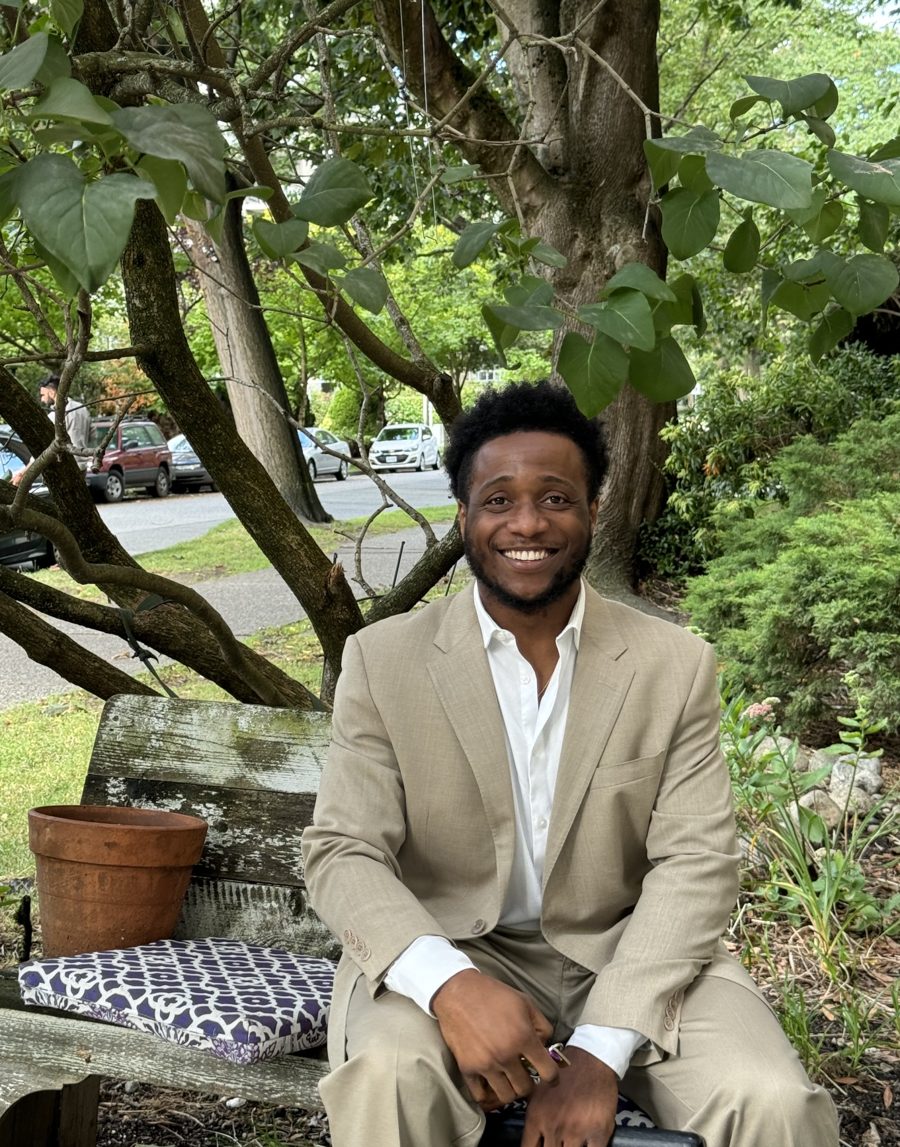
Generational wealth is why Emmanuel does this work. For many families, especially first-generation Canadians who started from zero, this is the first generation with something to pass on, and he wants it to reach their grandchildren’s children.
Peace of mind, in their words
“He has helped me put important financial plans in place for myself and my family… He takes the time to explain things clearly and helps you understand the importance of planning ahead, protecting your loved ones, and building a secure financial future.”
“I was looking for a financial advisor who I could trust and have a long term relationship with. Someone who would understand my situation and my family’s… My daughter is now using his expertise as well.”
“I had no idea on financials at all but with Emmanuel’s help I was made known to the vital informations I need to help build my future.”
★★★★★ 5.0 from 21 Google reviews · Read more reviews
Straight answers about what you leave
The questions families ask most when they start planning ahead.
Does life insurance pay out tax-free?
In Canada, the death benefit paid to a named beneficiary is generally received tax-free. That is why it is often used to cover the tax an estate will owe, or to leave an inheritance that is not reduced by tax.
What is probate, and can I avoid it?
Probate is the court process that confirms your will. Most provinces charge a fee based on the value of the estate, and it can take months. Assets with a named beneficiary, such as life insurance, segregated funds and registered accounts, can usually pass outside the estate. Other options, like joint ownership, have trade-offs worth discussing with your lawyer.
What happens to my TFSA when I die?
If your spouse is named as successor holder, the TFSA can simply continue in their name. Otherwise it is paid to your beneficiaries or your estate. The value at death is tax-free, though growth after that may be taxable.
Do I need a will if I have beneficiaries?
Yes. Beneficiary designations only cover the accounts and policies they are on. A will deals with everything else, names your executor and can name guardians for young children. I work alongside your lawyer, who prepares the will.
Start building what lasts.
Twenty minutes by phone or video, a little longer if you have questions. You leave with a clearer picture, whether or not we work together.
Prefer to call? 604-800-7647